The whole sky,
inside your PC
At its core, satellite positioning means a device receives signals broadcast from orbit and solves for its own coordinates. What AnyLocate does is synthesize authentic satellite signals — turning satellite positions, propagation models, and the trajectory you define into RF baseband in real time, then broadcasting it through SDR hardware.
To the device under test, this is a genuine navigation signal — it resolves the exact location you set without a shred of doubt, and causes no malfunction in the device or the apps running on it.
“Fake GPS” apps don't work — impossible on iPhone.
A “fake GPS” app only alters your phone's software, which iOS blocks without a jailbreak: no App Store app can move an iPhone's location, and Android flags it as a mock location and bans it. AnyLocate is not a software spoofer. It broadcasts a genuine satellite signal the device resolves on its own, working natively on iOS and Android.
AnyLocate + your signal front-end
and your global roaming begins
AnyLocate is the signal-generation software; you supply the transmit front-end (an SDR) — easy to find on Amazon, eBay, or Alibaba from as little as $100. Software plus an affordable SDR — performance that stands up to a professional navigation-simulator box.
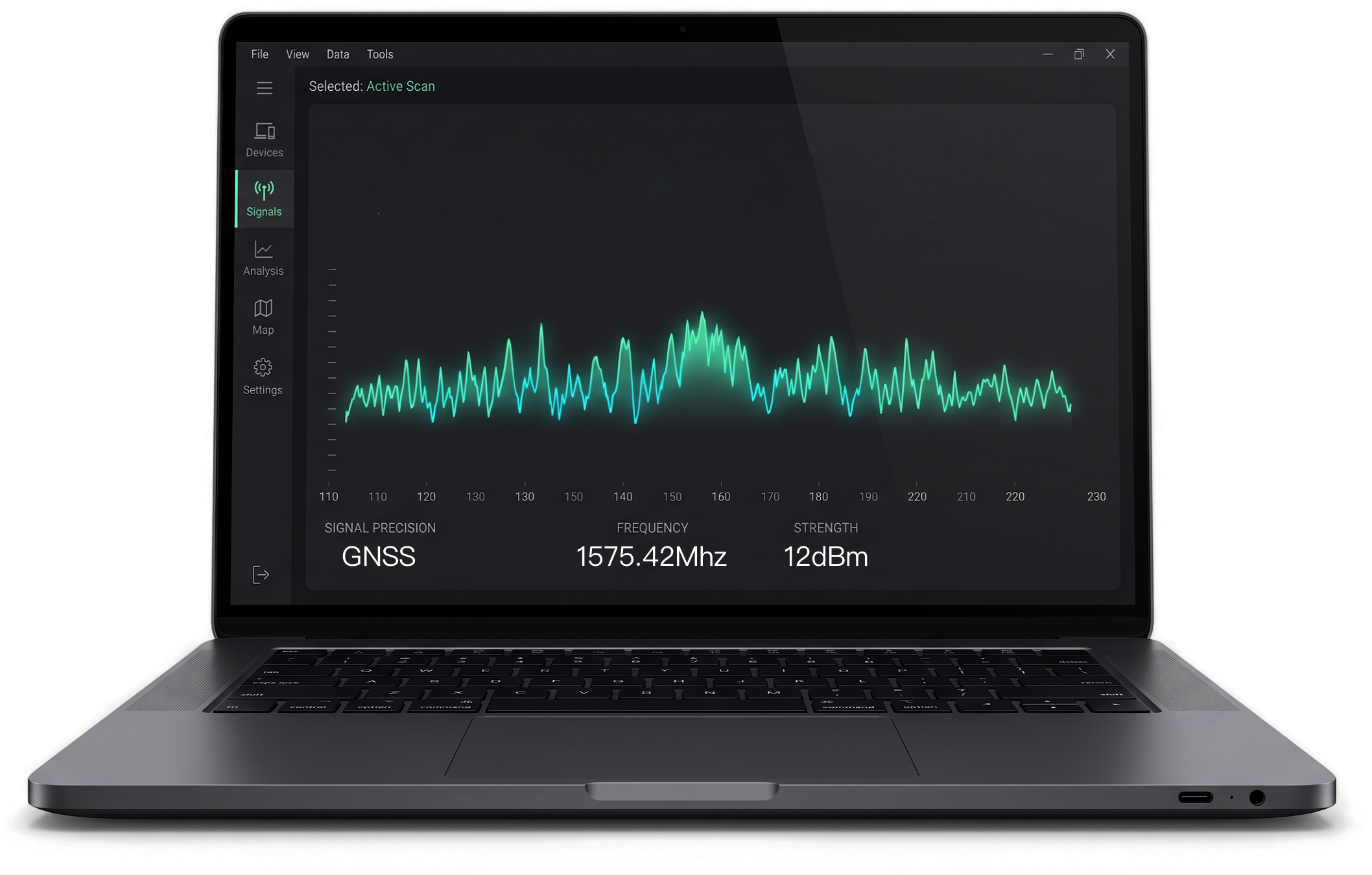
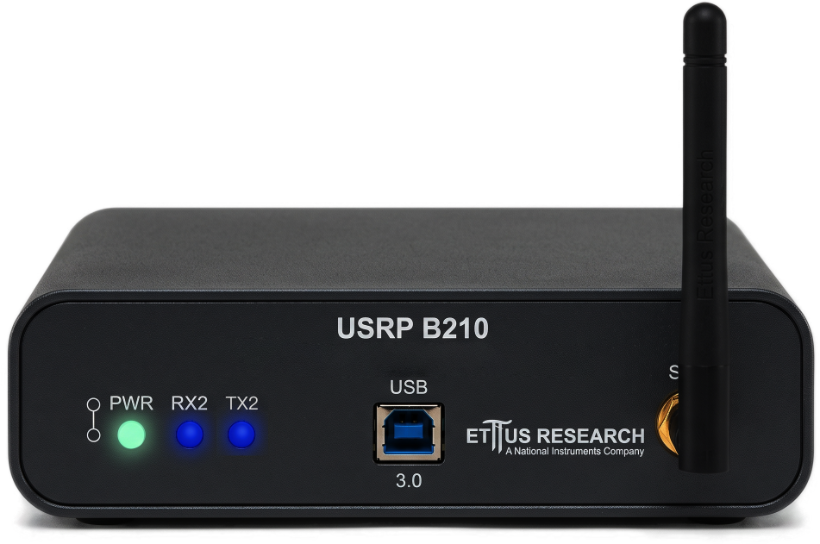
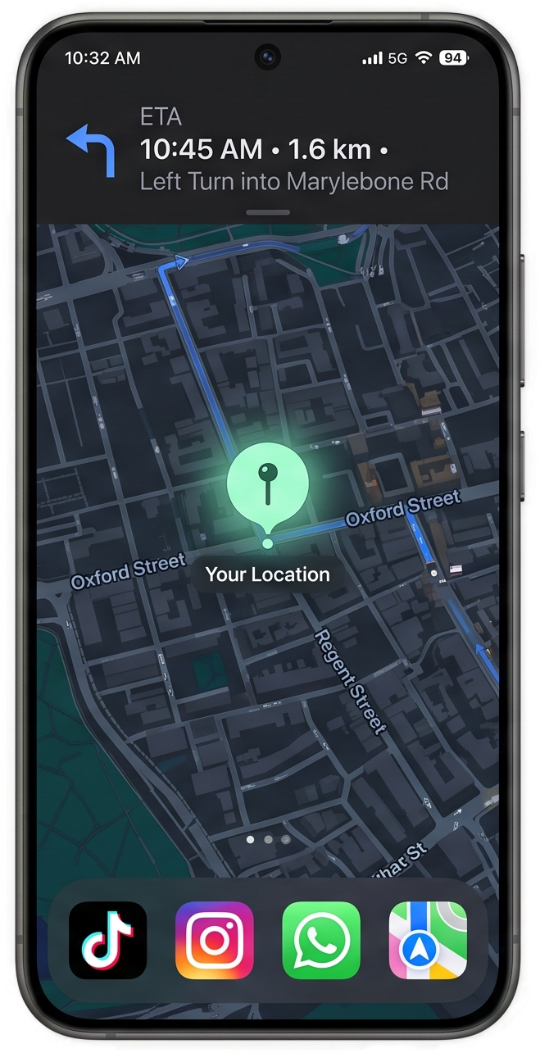
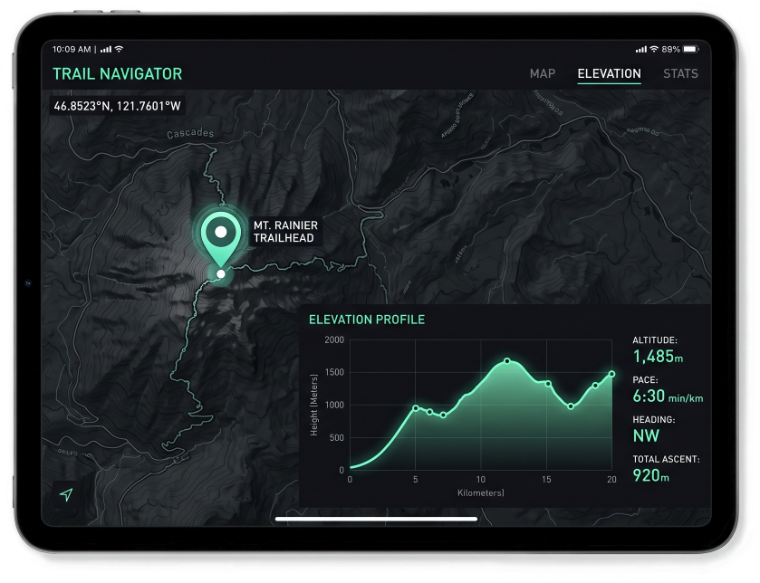
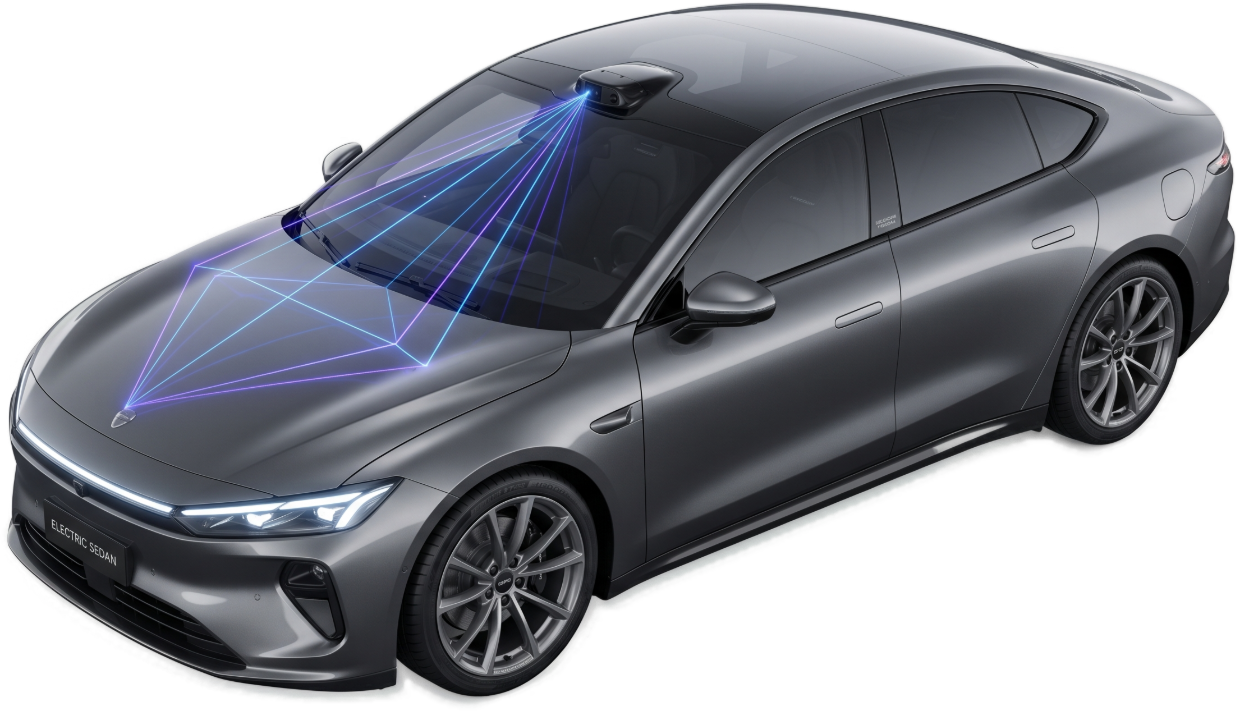
Built for a wide range of personal and industry needs
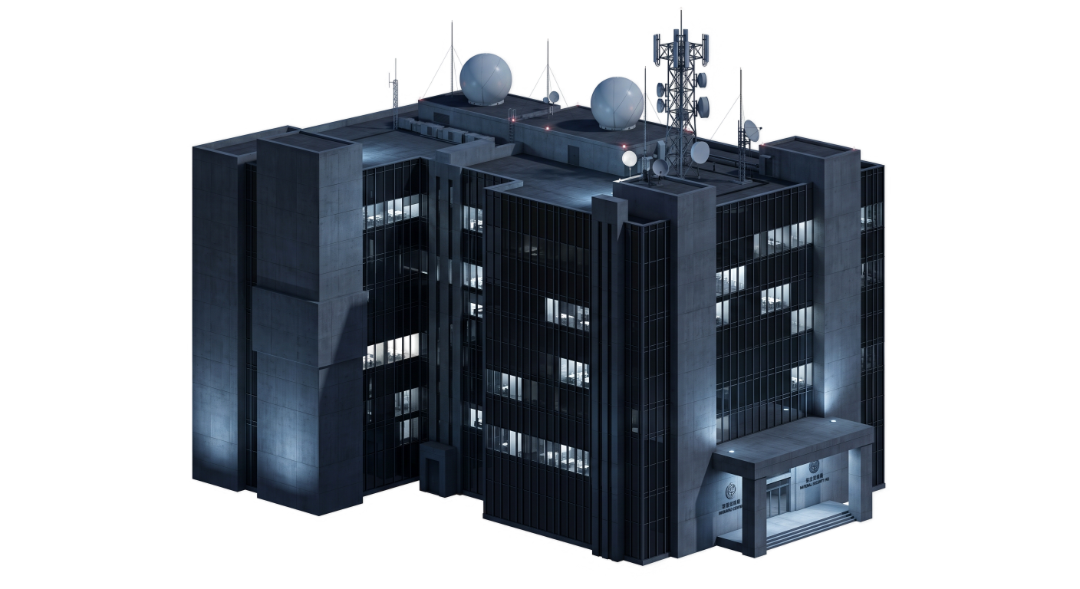
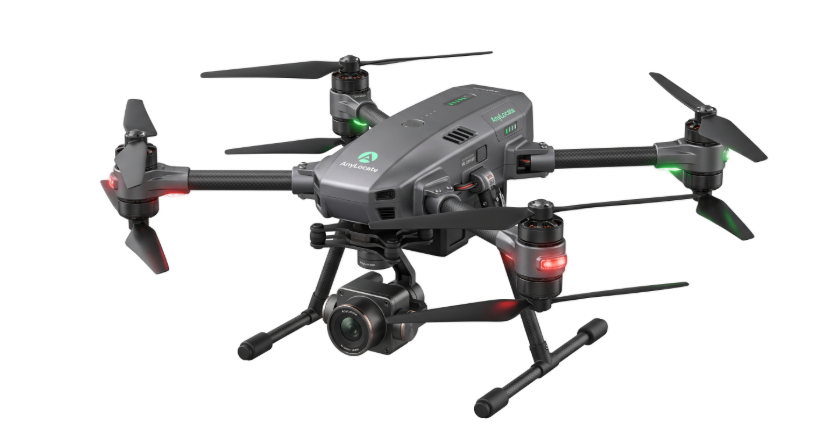
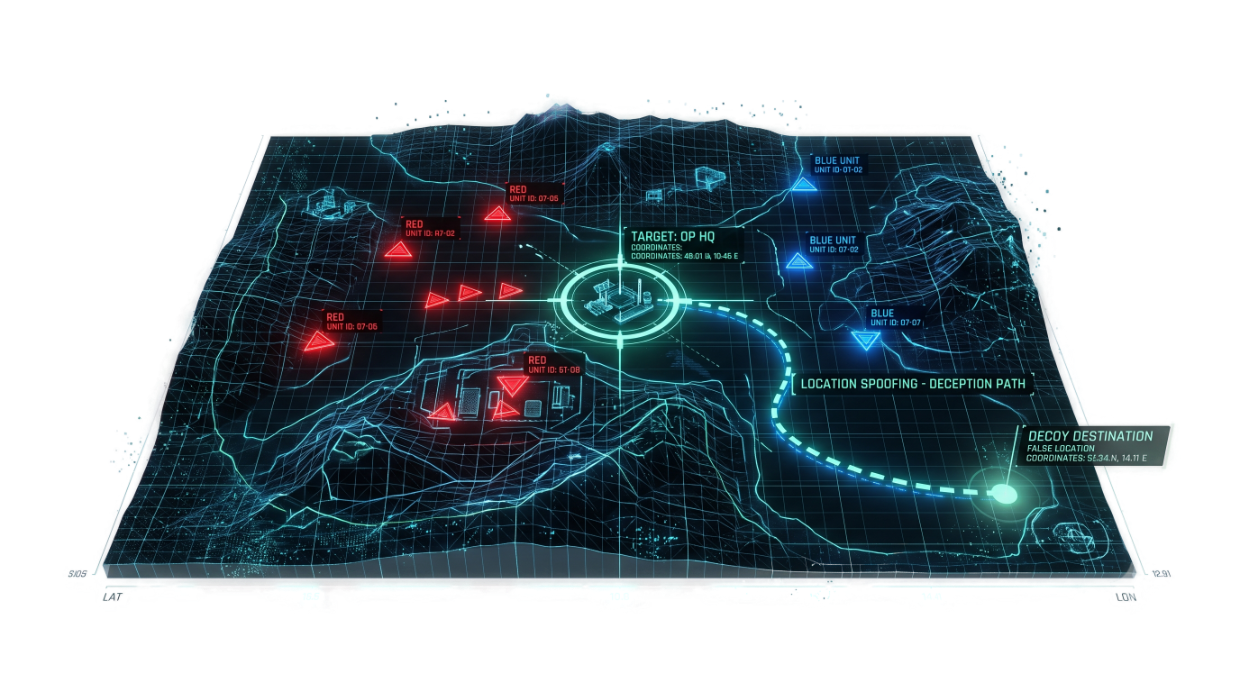
Industrial-grade signal-simulation capability
Industrial-grade capability — no longer at an industrial-grade price
Most of that six-figure price is dedicated hardware, not the physics. Move signal generation into software and pair it with an SDR, and the same class of GNSS testing opens up to far more labs, teams, and researchers.
The established GNSS simulator vendors — the class of instrument AnyLocate is built to stand in for.
A professional simulator is purpose-built hardware — dedicated RF chains, disciplined oscillators, shielded enclosures — engineered for a small, specialised market. Few units ship, so the development cost lands on each box, and the price stays high.
The signal generation moves into software. You pair it with a standard SDR front-end you can buy off the shelf, and our carefully tuned engine drives it to roughly 95% of a professional simulator's real-world capability — at a fraction of the cost.